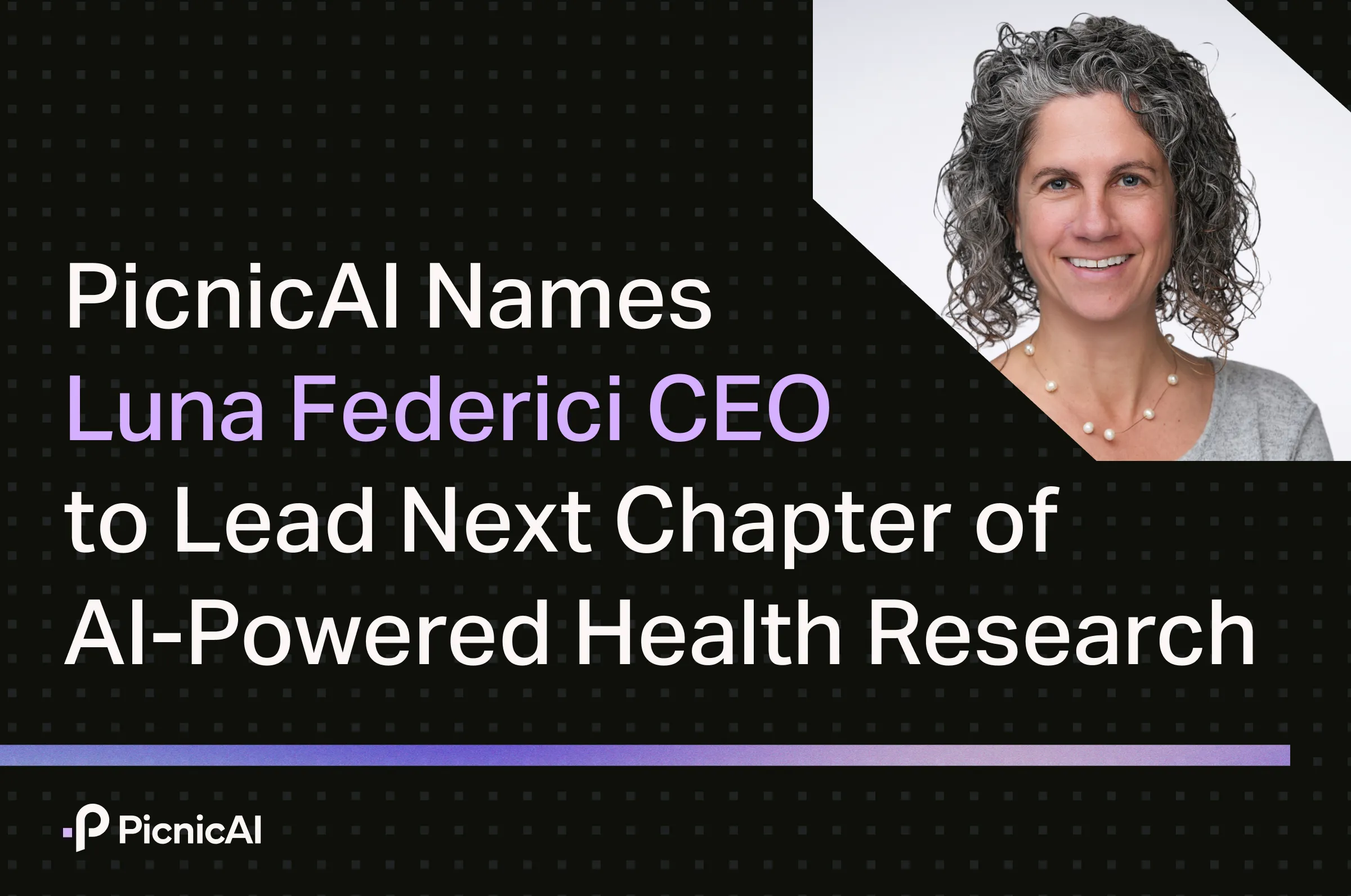
Today I'm becoming CEO of PicnicAI. I want to use the moment to be direct about what we're building and why I believe we're the company to build it.
Start with the conviction that brought me here six years ago and has only grown since: the greatest promise of AI is in human health. Modern medicine is extraordinary, and the gap between what it can do and what actually reaches patients is still enormous. Closing that gap is the most important work I can imagine, and AI is finally capable of doing it.
Nowhere is that promise more stuck than in clinical research. The remarkable progress in AI for drug discovery won't reach a single patient faster until the trials that test those drugs get faster too. The clinical research phase is the majority of the time and the majority of the cost of getting a drug to patients. It is the rate-limiting step between a promising therapy and the person who needs it. And much of what makes research slow is exactly the kind of work AI is built for: screening patients for eligibility one chart at a time, resolving data queries, and keeping dozens of study documents consistent as a protocol changes. This is overhead, not science.
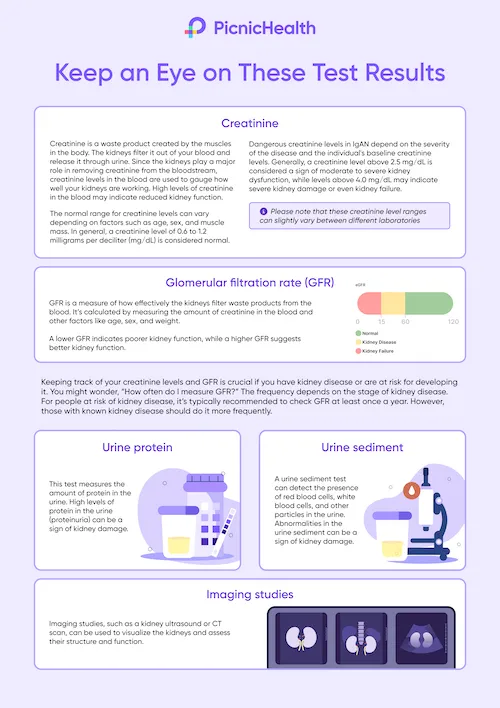
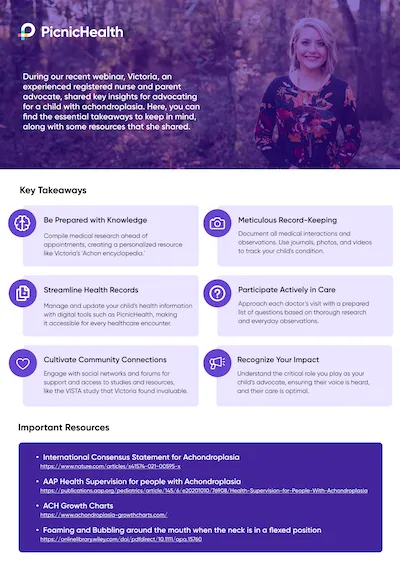
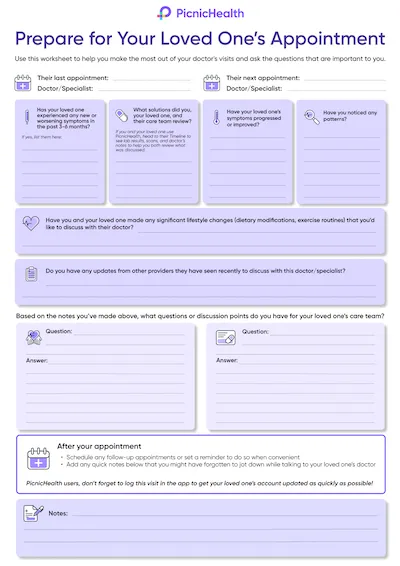
That's the opportunity, and it's why PicnicAI exists. We build intelligence to accelerate human health: the layer that drives clinical research and patient care, organized around the person at the center, the patient in care, and the participant in research. That layer powers two product lines. PicnicHealth helps patients navigate a fragmented system to the care and treatment that's right for them. PicnicResearch makes clinical research faster, more efficient, and more reliable. Both run on the same foundation, built for the real complexity of healthcare rather than around it.
So we've made a decisive bet. We're building PicnicAI as an agent-powered company, where AI carries the heavy, repetitive work and our people focus on the science, the judgment, and the relationships with patients and our partners that should stay human. This shapes how we build our products and how we run the company.
The future of clinical research is to be powered by agents run by humans. That shift is coming across the industry, and we intend to lead it. We've spent more than a decade building direct relationships with patients, deep clinical and scientific expertise, and AI infrastructure designed for the complexity of healthcare. Many of the world's leading life sciences companies trust us to run their research. Almost no company brings all of this together: direct patient relationships, clinical and scientific depth, AI infrastructure built for healthcare, and the trust of leading life sciences companies. That combination is hard to assemble and harder to copy.
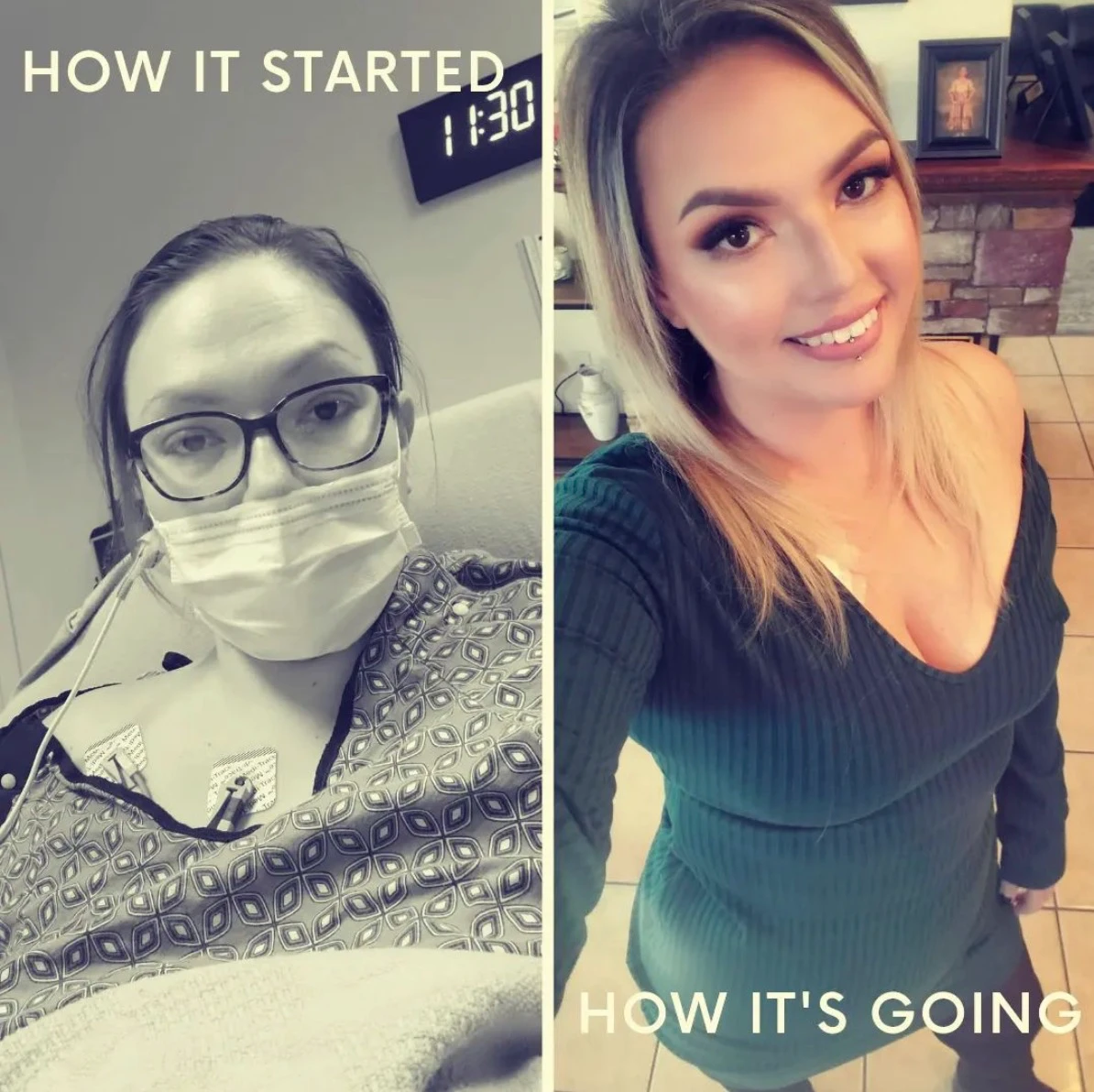
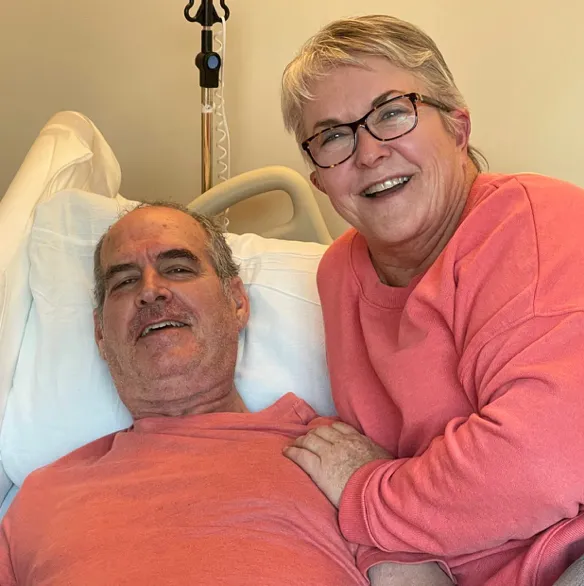
My conviction isn't only strategic. Years ago I spent a long stretch as a patient myself, navigating a confusing system, carrying my records from specialist to specialist because no one had the full picture of me. After a few bouts in the hospital, I was diagnosed with endometriosis, and told it was unlikely that I’d be able to have children. What followed was a stretch of multiple second opinions, surgery, various medications, a weakened immune system, all culminating in a pulmonary embolism that destroyed half a lung and almost killed me. I know that I am alive now and that my son exists today because of the advances in modern medicine that have been made over the last few decades. My experience is part of why I understood the value of this company the day I encountered it.
It was my own experience as a patient that made the product obvious to me, but it was the mission that made me join. Before I came aboard, I took a walk with Troy Astorino, our co-founder around Dolores Park. I told him how useful what they'd already built was. He stopped me: "This is just the start. Our mission is to fundamentally change the trajectory of human health." I pointed out that they were sending faxes at the time. He didn't flinch. "Yes. We're starting with faxes." That audacity, the willingness to take on the hardest, most broken parts of healthcare and actually change them, starting with the unglamorous work right in front of us, is what pulled me in. It still does.
None of what PicnicAI is would exist without Noga Leviner. She co-founded this company, led it for more than a decade, and is the reason there's a mission for me to carry forward at all. I'm grateful she's staying close as we keep building, on our board and in our corner.
We are building toward a world where the speed and cost of clinical research is no longer what decides whether a promising therapy reaches patients, and where every patient's care is shaped around what is actually best for them. That's the work ahead. We're just getting started.
Luna Federici
CEO, PicnicAI
Read the complete PicnicAI vision.