This week PicnicHealth unveiled PicnicAI, an AI-driven platform designed to rapidly unlock unified medical records and deliver accurate insights for patients and life science companies.
This platform, which not only powers PicnicHealth's life science product but also its patient application, leverages a proprietary industry-leading LLM trained on records across disease areas, locations, patient demographics, and spanning over fifty years of care. Leading life sciences companies have used PicnicAI to meet their endpoints in observational research studies more quickly and efficiently.
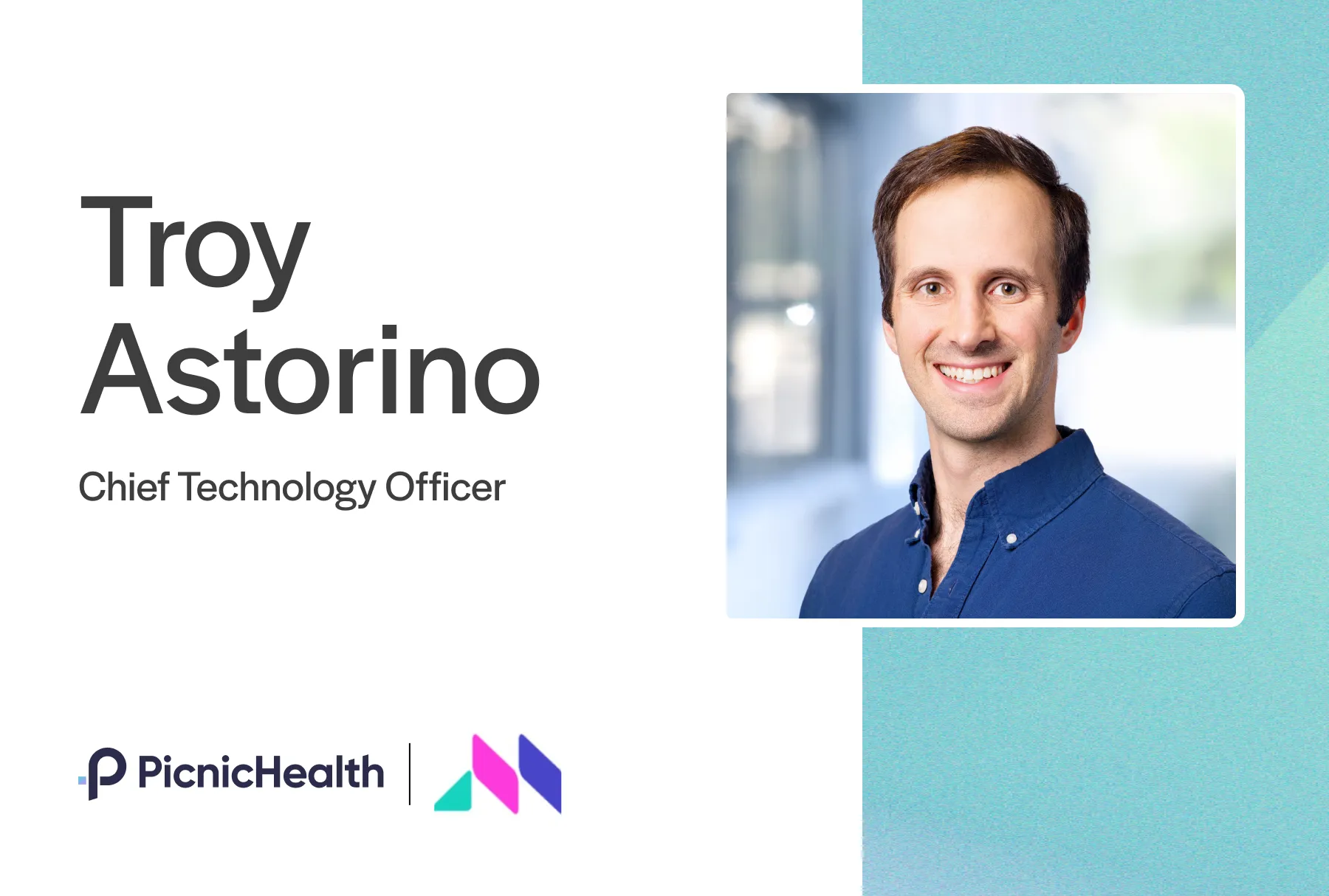
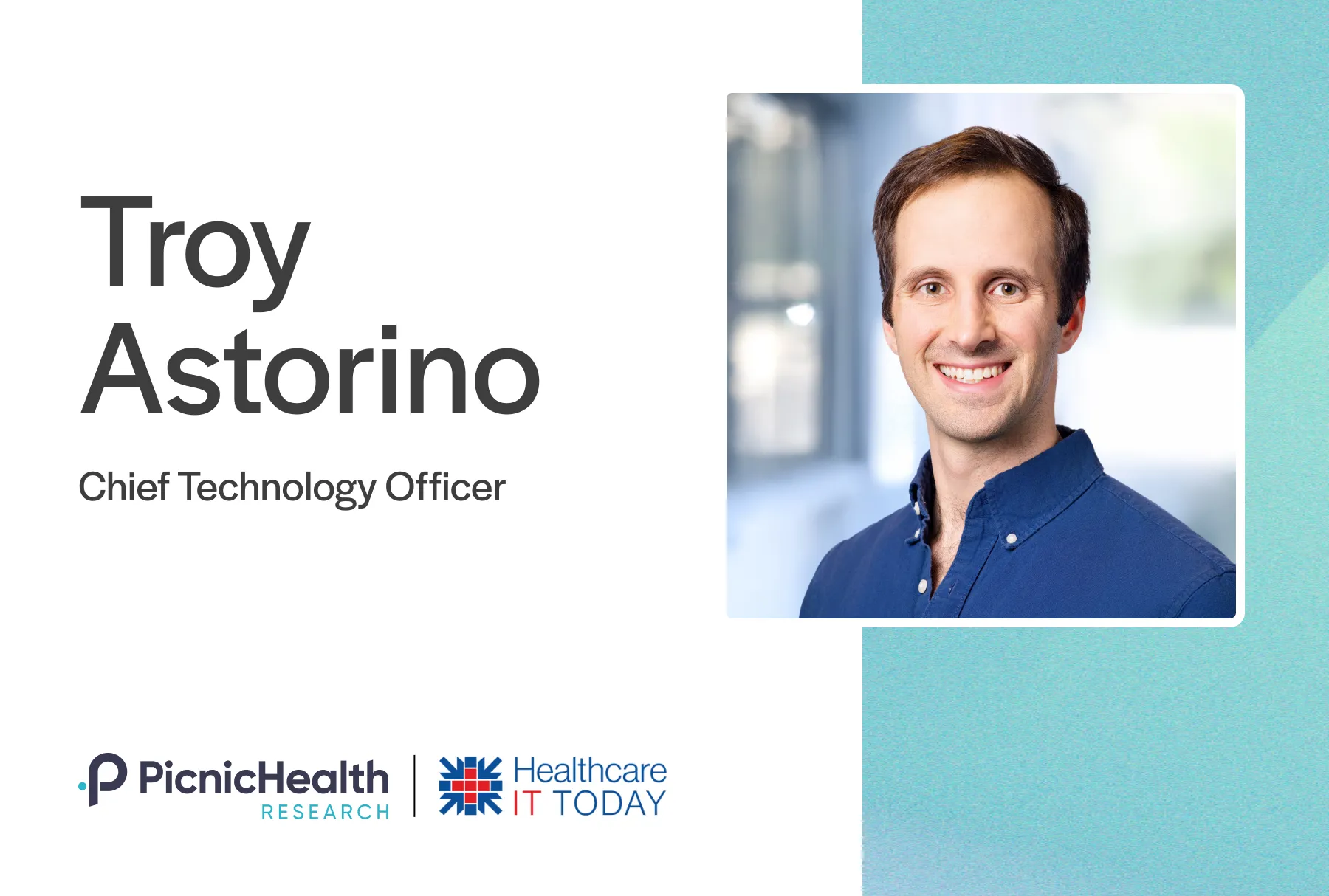
We recently sat down with Troy Astorino, CTO and co-founder of PicnicHealth, to talk about why this platform and evolving large language models (LLMs) are critical to the advancement of observational research.
1. What is a large language model? How does that differ from AI and NLP?
Artificial intelligence, or AI, is the field of enabling intelligent behavior in computers through “teaching” them, having them learn from examples instead of programing explicit instructions. Large language models, or LLMs, are a new type of AI model. They’ve been stunningly effective. Understanding and interacting with natural human language has been a major, unsolved challenge in AI for decades, as long as people have been working on AI. LLMs have effectively solved that challenge. Most AI you’ve seen in the news or that you’ve interacted with are LLMs, like OpenAI’s ChatGPT, Google’s Gemini, or Microsoft’s Copilot. Even Tesla Self Driving is built on the same techniques as these LLMs.
LLMs are built using deep learning techniques – an approach that has been dominating AI development for the past decade – and taking them to a massive scale. LLMs are huge models with billions to trillions of trained parameters, which is orders of magnitude larger than any models made before. Once models have a solid understanding of language, they can be fine-tuned, which shapes both the knowledge they capture and how they respond to questions or tasks — we use this technique to make them useful in real world settings.
At PicnicHealth, we train our LLM on 350M+ clinician annotations over longitudinal patient records sourced from over 100K facilities across the US. We taught our model to understand and find patterns in patient medical records, and that’s what makes it powerful.
Natural Language Processing (NLP) is a field within AI that has long focused on modeling information represented as text. NLP encompasses a broad array of tools and techniques spanning decades of development. Recently, NLP is often used as a descriptor for a prior generation of techniques for manipulating natural language, which have had limited success in real-world use cases.
LLMs, on the other hand, show astonishing accuracy and flexibility, and allow us to work with text far more expressively than anything remotely possible with traditional NLP techniques. LLMs have been able to give breakthrough results on well-known problems that NLP techniques struggled with, allowing us to tackle complicated, useful tasks faster. An example of this is demonstrating disease progression from longitudinal records in the way a physician would, which requires context across many, many records.
2. How is the PicnicAI platform changing the way researchers collect data and generate evidence for observational studies?
Traditionally, much of observational research has been site-based, where researchers interact with patients at specific sites and collect data through Electronic Data Capture (EDC) systems. This method is particularly constraining because it requires patients to visit sites, making the process inefficient and less reflective of real-world treatment scenarios.
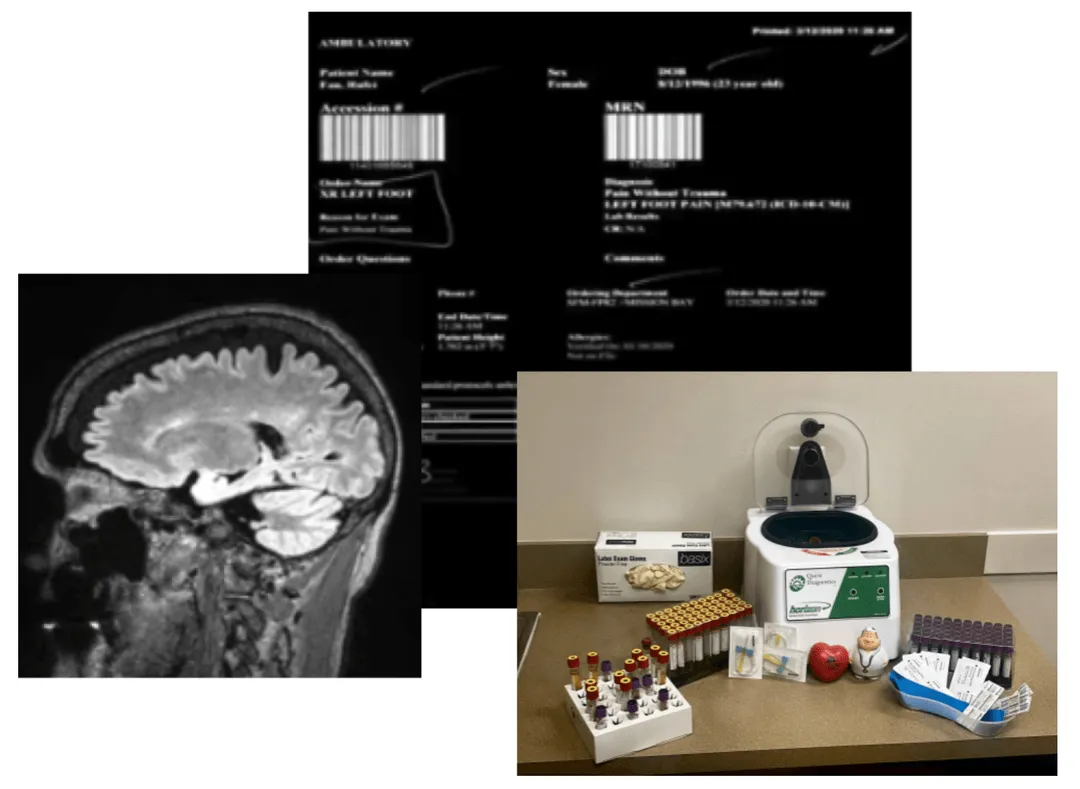
With PicnicAI, we are able to connect with every location a patient has received care in the U.S., and collect data from across patients’ care journeys without needing patients to step foot in a research site. We then leverage our AI models to help structure information in these records and abstract relevant and meaningful insights based on our partners’ research questions. This approach enables researchers to generate high-quality evidence on patients' disease progression and treatments with greater efficiency than was ever possible.
3. What is the impact of retrieving and abstracting data with this new approach on observational research?
This new approach significantly speeds up and makes observational research more efficient, allowing life science companies to achieve their research goals more quickly and effectively.
Additionally, PicnicAI enables higher quality and more clinically relevant research. By meeting patients where they are, we reduce the burden on patients of visiting sites and can reach a more representative population. This prevents population skews and biases that can be common in traditional models of observational research. By collecting data directly from all patient medical records, we also prevent challenges of patient recall that can occur during site visits. Ultimately, the evidence generated is more representative of the population and their real-world experiences.
4. How does AI play a role in the success of the platform?
The heart of PicnicAI is a LLM we've developed, trained on tens of millions of notes and reports from patients' longitudinal care journeys. This model has been fine-tuned to understand and interpret medical records, improving its performance over time and across new structuring tasks, which is very powerful and exciting.
This LLM allows us to achieve efficiency and accuracy in data structuring that can surpass human capabilities, quickly achieving tasks that would typically be labor-intensive and time-consuming. The AI's ability to structure and interpret medical data is a key driver of our platform's speed and effectiveness.
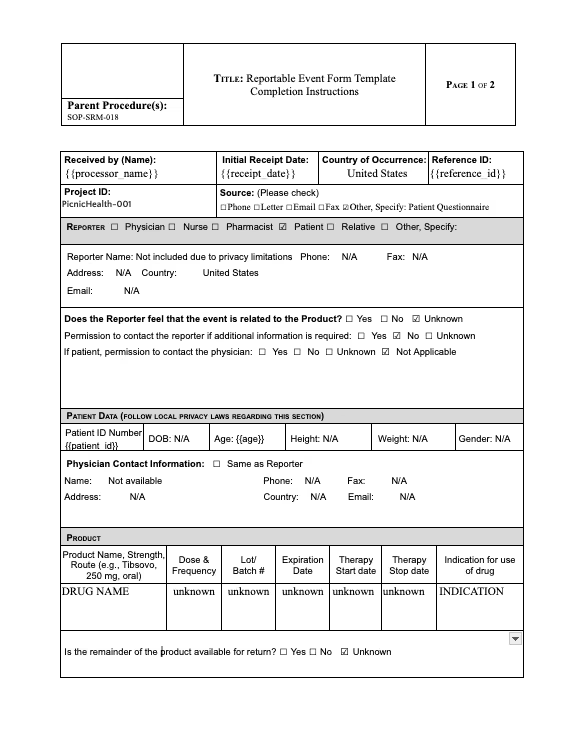
Of note, we incorporate human review steps to ensure data quality.These reviews are based on confidence scores for predictions, general and disease-specific plausibility rules, sampled auditing, and configuration for what’s appropriate for a study (for example, we configure duplicative, parallel human abstraction for any data that will be submitted to a regulator.) This kind of scaffolding, that takes advantage of the benefits AI provides while protecting against risks, is necessary for production usage of AI.
5. How does this platform affect patients and their role in observational research?
Our platform ensures that patients benefit directly from the research process. All the data we pull for research purposes is also returned to the patients, empowering them with insights about their own health that they can use in their day-to-day care. This transparency and data ownership motivate patients to participate more actively in research, knowing they are contributing to their care and the broader medical community. In fact, we find that patients who have access to their data are more engaged and retain participation in studies longer, with a 98% year-over-year retention rate.
A lot of data used to train some other AI models out there come from people who are unaware that their data is being used. We think it’s important that patients control how their data is being used and receive value back, ensuring ethical use of data and enhancing patients’ trust and willingness to participate.
6. Why must pharmaceutical companies adopt AI and technology into the future?
AI is a transformational technology on par with the internet and personal computing revolutions. Companies that fail to adopt AI in their drug development and commercialization processes will fall behind their competitors. AI can make research faster, cheaper, more efficient, and more accurate, giving a significant competitive advantage to those who leverage it effectively.
However, it's crucial to implement AI thoughtfully, ensuring it is complemented with human oversight and review. Regulatory agencies like the FDA recommend a human review step in AI processes, aligning with our approach at PicnicHealth to maintain high data quality and reliability. Not all AI are also created equally, so it is also important to be mindful of how your research can be enhanced with AI, and in which use cases does using AI make the most sense. Researchers who use AI must be able to be transparent on why they are using AI and how, and ensure that the AI they use would be able to produce reproducible results. Adopting AI is not just about keeping up with technological advancements; it's about revolutionizing how we conduct research and bring treatments to market.
Learn more about PicnicAI and how it can be used to simplify observational research. The future is here with PicnicHealth.